
Yet paradoxically, the more we learn about nature, the clearer it becomes: we cannot replicate even its simplest creations. What if Earth's entire biosphere is not the result of random processes, but the product of technologies we have yet to comprehend?
Engineering Marvels We Cannot Replicate
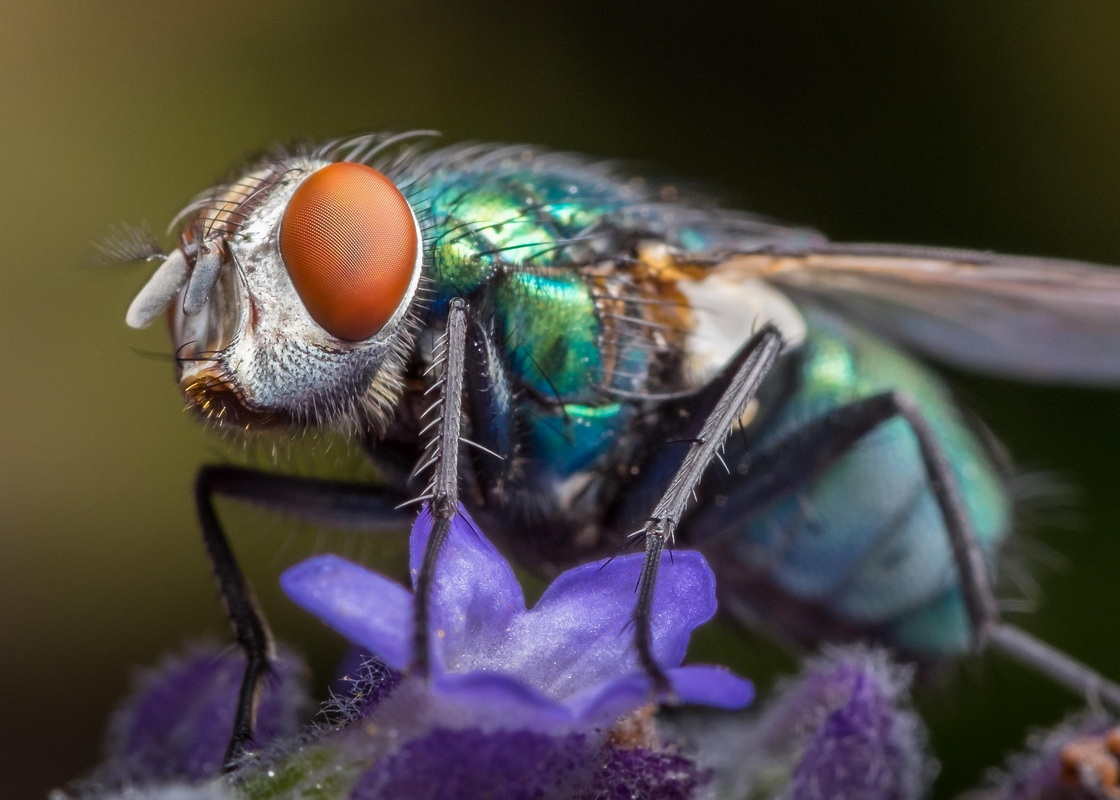
Consider the flight of an ordinary housefly. This tiny creature beats its wings approximately 200 times per second, instantly changes direction, hovers in mid-air, and lands upside down on ceilings. The entire flight control system fits inside a brain the size of a poppy seed—roughly 100,000 neurons coordinating these incredibly complex maneuvers. Modern drones look like clumsy toys by comparison: noisy, energy-hungry, and requiring sophisticated processors just for basic stabilization.
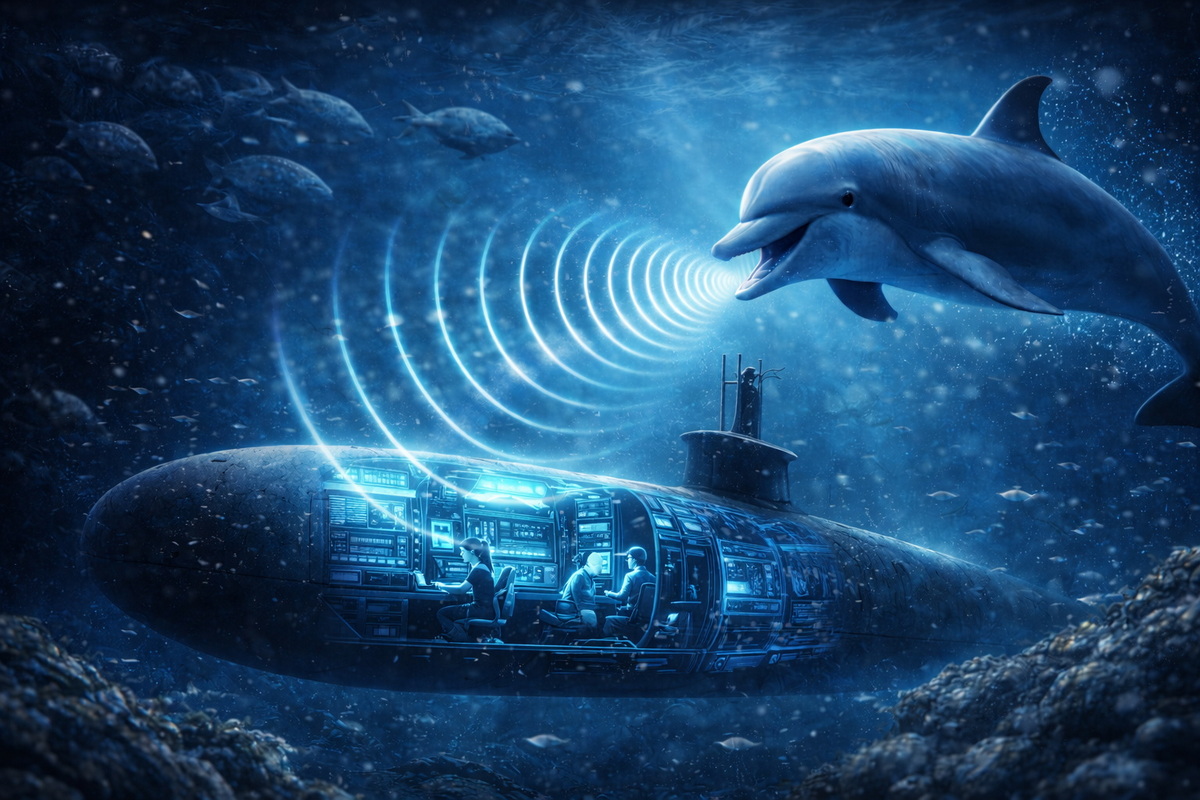
Or take dolphin echolocation. These animals "see" with sound so precisely they can distinguish the internal structure of objects. A dolphin can determine what metal an object is made of, whether it's hollow or solid, and even "see" fish in murky water from hundreds of meters away. The most advanced sonar systems on our submarines, occupying entire rooms, cannot match this precision.
Molecular Machines: Nanotechnology We Can Only Dream Of
Inside every living cell operate molecular machines that look like illustrations from a futuristic nanorobotics textbook. ATP synthase is literally a molecular motor spinning at 8,000 revolutions per minute, producing ATP energy molecules. Ribosomes read genetic code and assemble proteins with single-amino-acid precision, performing millions of operations without a single error.
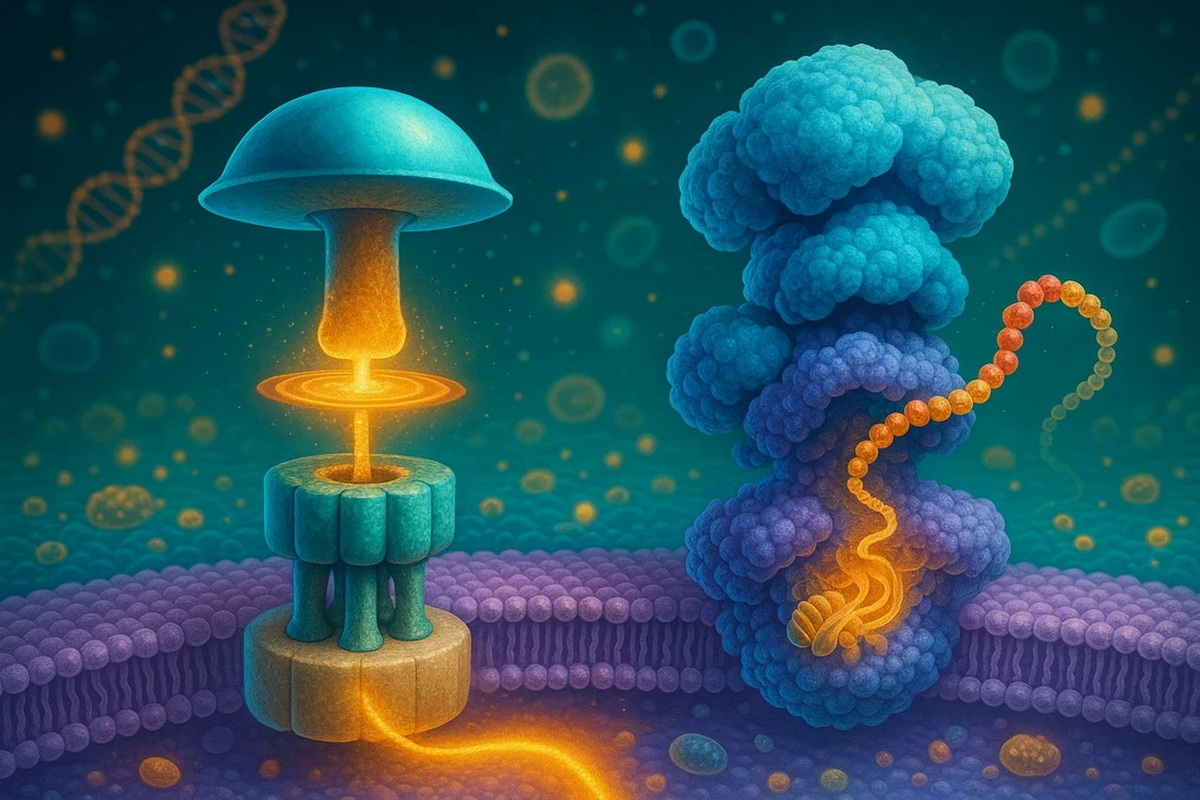
The DNA replication system copies three billion "letters" of genetic code so accurately that an error occurs only once per billion operations. That's like hand-copying a thousand thick books and making just one typo. All of this happens in spaces measured in nanometers, at body temperature, in an aqueous environment.
A Universe of Fine-Tuned Coincidences
The conditions for life on Earth are so precisely calibrated that the slightest deviation would spell catastrophe. Change the distance from the Sun by just 5%, and water would either boil away or freeze. The Moon is exactly the right size and distance to perfectly stabilize Earth's rotation, creating a stable climate.
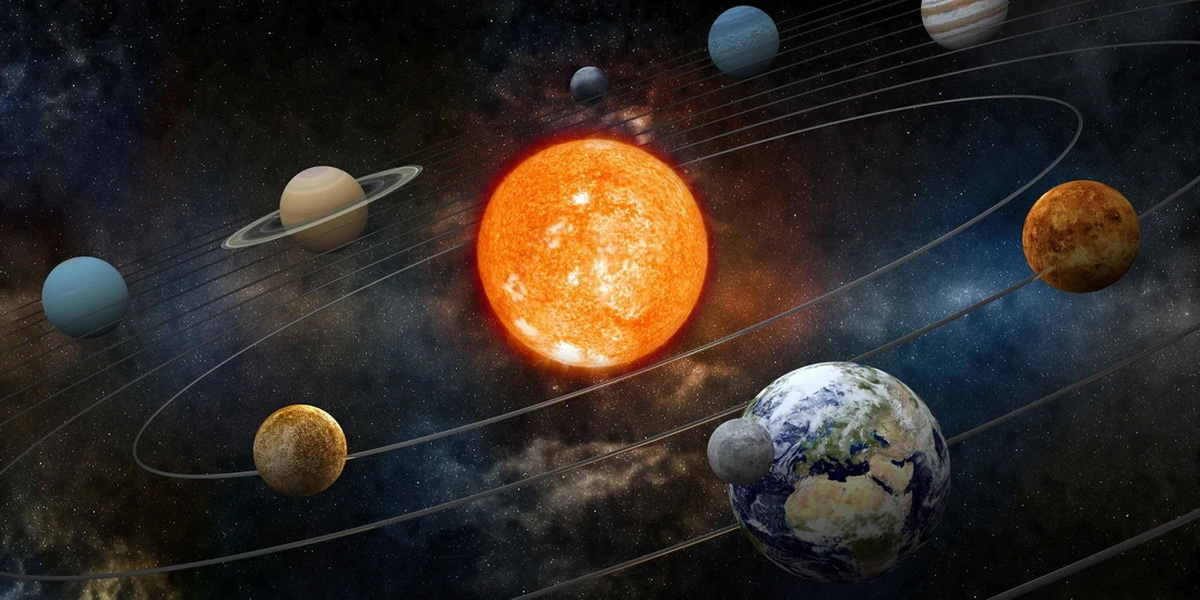
Jupiter sits precisely where its gravity works as a "cosmic vacuum cleaner," attracting asteroids and comets that could otherwise destroy life on Earth. Our planet's magnetic field has just the right strength to protect against radiation without interfering with biological processes.
Nature's Impossible Innovations
Some of nature's solutions are so counterintuitive that it's difficult to imagine them arising by chance. Giraffes, for example, have a unique valve system in their necks that prevents them from losing consciousness when they suddenly lower their heads five meters to drink. Without this system, the animal would die from brain hemorrhage the first time it tried to take a sip. But how could evolution "know" about this problem in advance?

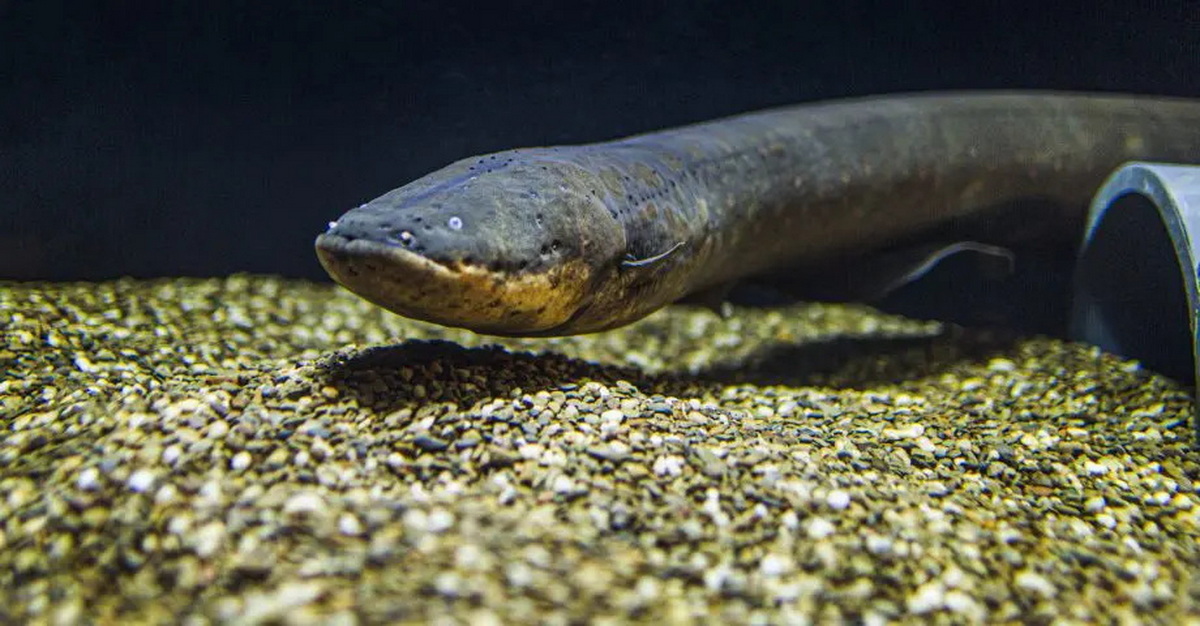
Electric eels generate discharges of up to 600 volts without electrocuting themselves. Their bodies are living power plants with insulation, capacitors, and directed discharge systems. Try to imagine the step-by-step random development of such a system—at intermediate stages, the animal would simply kill itself with its own electricity.
It's remarkable how everything in nature is interconnected, as if someone carefully calibrated each element of the system. Bees cannot exist without flowers, but most plants would perish without pollinators. Trees exchange nutrients through fungal networks, warning each other of danger—an entire forest functions as a single organism. Predators regulate herbivore populations, herbivores control vegetation, plants form soil, soil filters water. Remove one element, and the entire chain collapses. Even death is built into the system: decomposition feeds new life. Every creature, from bacteria to whales, occupies its place in this incredibly precise arrangement where everything works in perfect balance. The whole system appears absolutely logical and deliberate, as if a higher intelligence methodically constructed every connection, foreseeing all consequences—too perfect for chance.

Where Are the New Species?
An important observation often overlooked: in all of recorded human history, we have never documented the emergence of a fundamentally new species of animal or plant "from scratch." We see adaptations, variations within species, changes in coloration or size—but not the emergence of new organs, systems, or types of organisms. Even in laboratories, where scientists conduct experiments with thousands of generations of bacteria in accelerated conditions, the results are merely modifications of existing traits, not the appearance of something fundamentally new. Nature seems to work with a ready-made "construction kit," combining and adjusting existing elements but not creating new ones from scratch.

The Brain: Pinnacle of Unknown Technologies
The human brain contains 86 billion neurons with quadrillions of connections between them. It consumes just 20 watts of energy—less than an ordinary light bulb. Yet the brain is capable of things no supercomputer can do: self-awareness, creativity, feeling, dreaming.
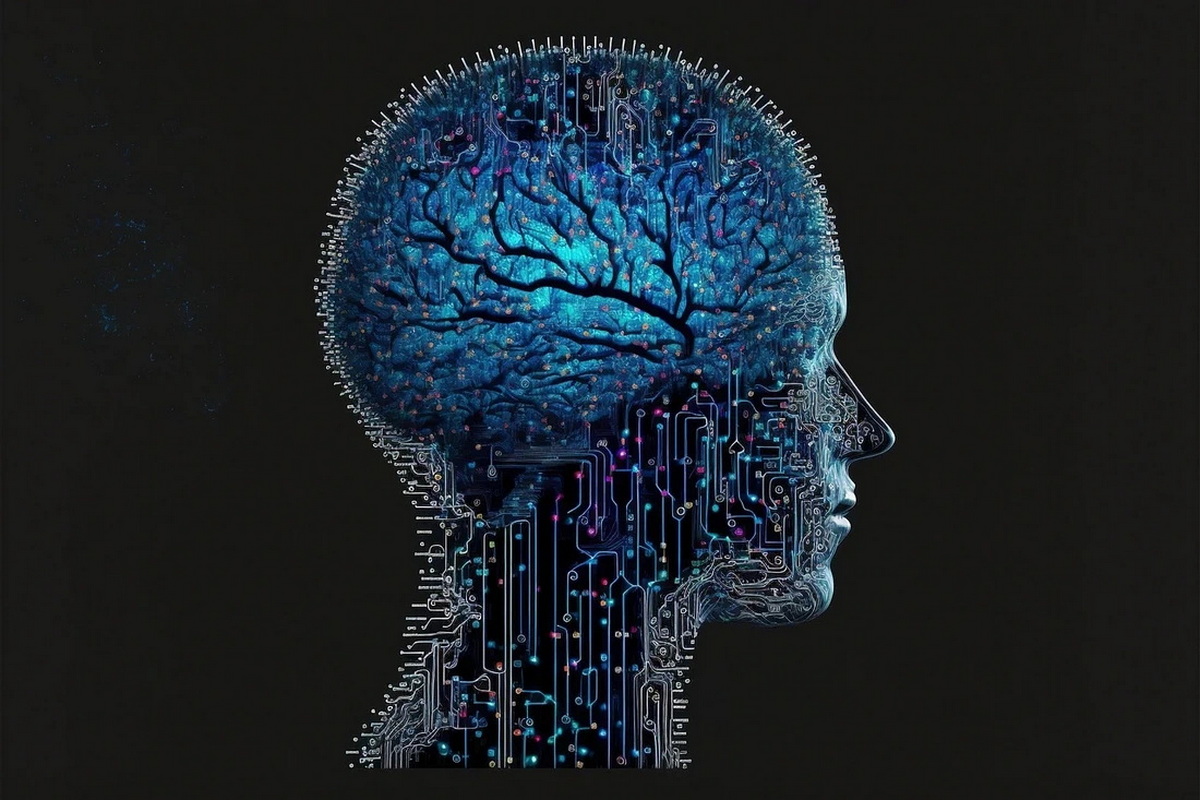
Every memory, every thought is not simply an electrical signal but a complex pattern of activity across millions of neurons. The brain constantly rewires its connections, learns, adapts—with no programmer, no updates, no reboot required.
A World Made for Us?
Remarkably, all this incredible complexity of nature seems designed specifically for human perception. We are the only ones who can appreciate the beauty of a sunset, the symmetry of a flower, the majesty of mountains. Fruits ripen in bright colors that attract our eyes; their sweetness perfectly matches our taste receptors. Birdsong falls precisely within the frequency range pleasant to the human ear. The fragrance of flowers, the sound of the sea, the softness of grass—all bring us pleasure, though none of this is strictly necessary for survival. Even mathematical proportions in nature—the golden ratio, fractals, spirals—resonate with our sense of beauty. It's as if the entire planet were a gift created so that humans could not merely exist, but enjoy every manifestation of life, learn, marvel, and create. We are not just part of the ecosystem—we are the only ones capable of recognizing and appreciating the full grandeur of creation.

Hidden Architects?
If we accept the hypothesis that life on Earth is the product of an advanced civilization, many things fall into place: the incredible complexity and interconnectedness of all systems; the absence of intermediate forms for many species in the fossil record; and the fact that the first organisms appeared as soon as Earth became habitable, as if someone had been waiting for precisely that moment to "populate" the planet.

The increasing number of UFO sightings demonstrating technologies that defy known laws of physics could be visits from those who continue to monitor their "project." Perhaps they maintain the system's balance, intervening only when critically necessary.
Connecting the Dots
We can synthesize complex molecules, clone animals, edit genes. But we cannot create a living cell from scratch. We cannot explain how life arose from non-living matter. We don't understand how consciousness emerges from biochemistry.
Perhaps the answer is simple: we are trying to understand technologies that are orders of magnitude beyond our level of development. Like a Stone Age human disassembling a smartphone, we see individual components but don't understand the principles by which everything works.
Why Don't They Make Contact?
We're accustomed to discussing life as the result of random processes and evolution. The very possibility of other intelligent civilizations is often not taken seriously—let alone the idea that they might have played a key role in the origin of life on Earth.
Interestingly, all world religions—despite differences in rituals and traditions—agree on one thing: they affirm the existence of a Higher Power behind the creation of the world. Perhaps this is where science and faith unexpectedly intersect, pointing to the idea that life is "too complex for chance."
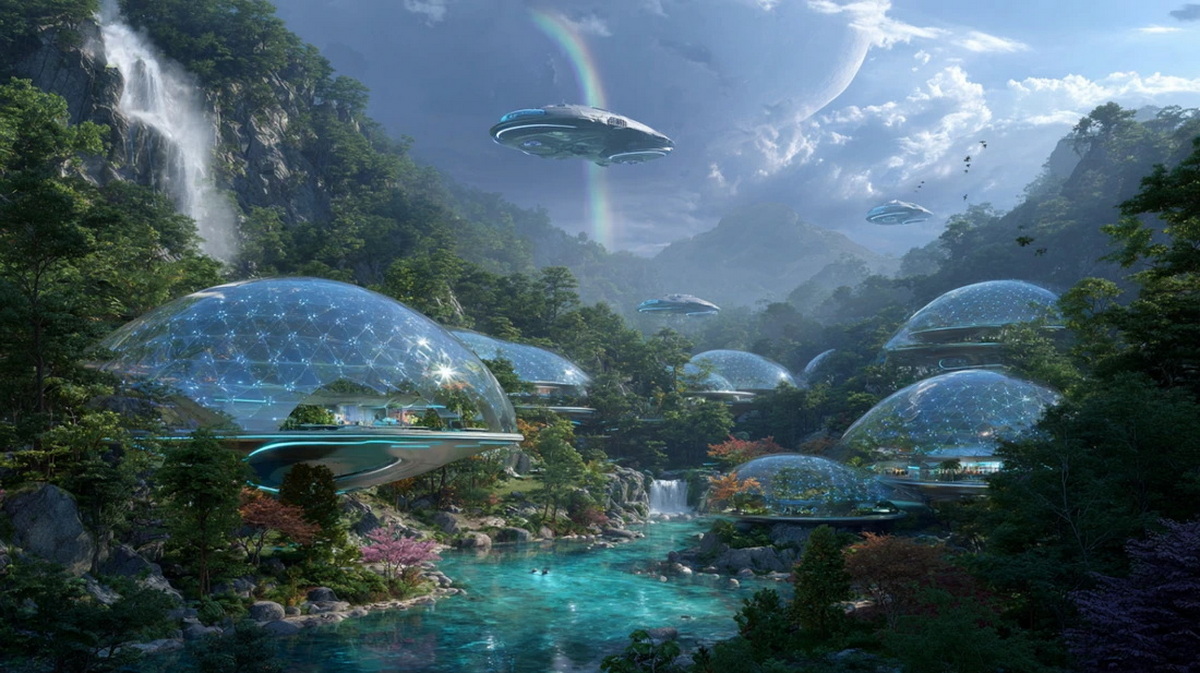
The nature around us may not be evolution's blind watchmaker, but a masterpiece of bioengineering created by those for whom atomic-level manipulation of matter is routine. And while we debate the origins of life, its true creators may be watching us from the shadows, following protocols and purposes we cannot fathom.
This article presents an alternative perspective on the origins of life. Mainstream science explains the development of living organisms through evolution, though questions a