

Mysteries

Too Complex for Chance: Why Life on Earth Looks Like High-Tech Engineering

News Desk 7 min read
Add to preferred sources

We live in an age when humanity prides itself on scientific achievements—we've decoded the genome, created artificial intelligence, and ventured into space.

Life is scientifically created
Image: AI-generated

Yet paradoxically, the more we learn about nature, the clearer it becomes: we cannot replicate even its simplest creations. What if Earth's entire biosphere is not the result of random processes, but the product of technologies we have yet to comprehend?

Engineering Marvels We Cannot Replicate

fly
Image: pixabay.com


Consider the flight of an ordinary housefly. This tiny creature beats its wings approximately 200 times per second, instantly changes direction, hovers in mid-air, and lands upside down on ceilings. The entire flight control system fits inside a brain the size of a poppy seed—roughly 100,000 neurons coordinating these incredibly complex maneuvers. Modern drones look like clumsy toys by comparison: noisy, energy-hungry, and requiring sophisticated processors just for basic stabilization.

scientist
Image: AI-generated

Or take dolphin echolocation. These animals "see" with sound so precisely they can distinguish the internal structure of objects. A dolphin can determine what metal an object is made of, whether it's hollow or solid, and even "see" fish in murky water from hundreds of meters away. The most advanced sonar systems on our submarines, occupying entire rooms, cannot match this precision.
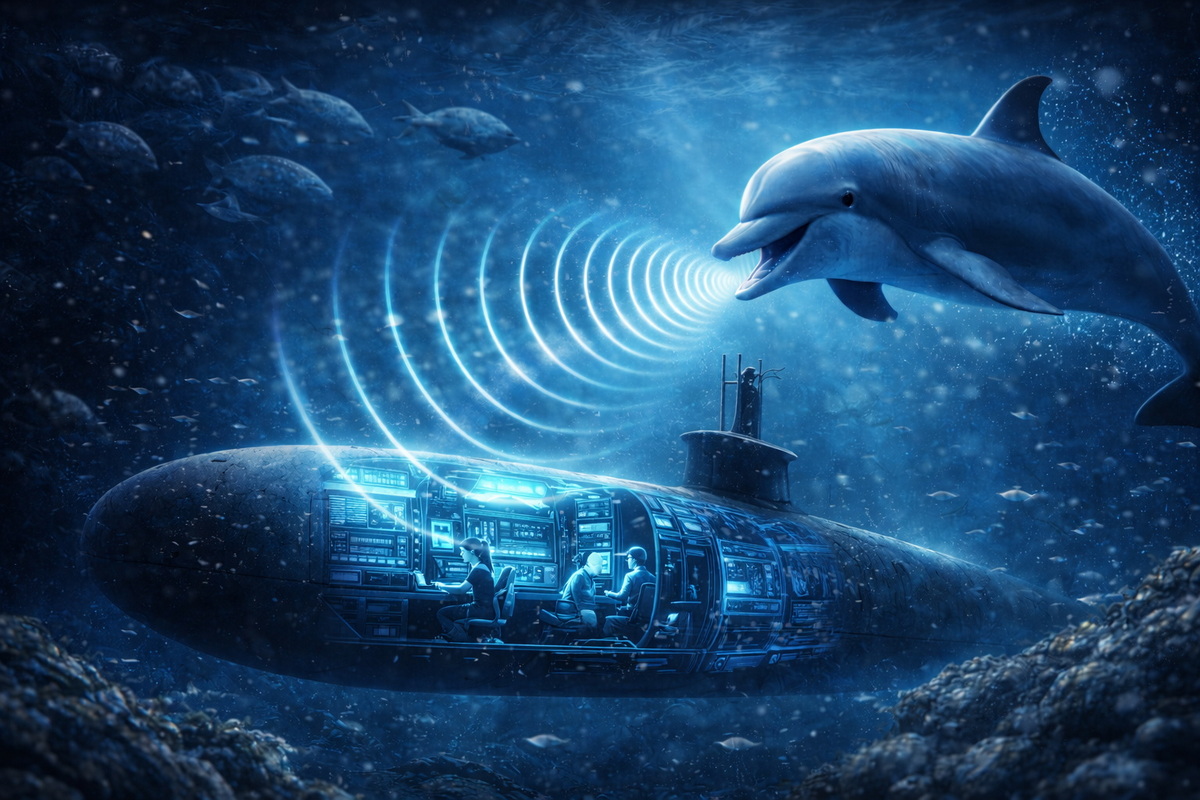
dolphin echolocation
Image: AI-generated

Molecular Machines: Nanotechnology We Can Only Dream Of

Inside every living cell operate molecular machines that look like illustrations from a futuristic nanorobotics textbook. ATP synthase is literally a molecular motor spinning at 8,000 revolutions per minute, producing ATP energy molecules. Ribosomes read genetic code and assemble proteins with single-amino-acid precision, performing millions of operations without a single error.
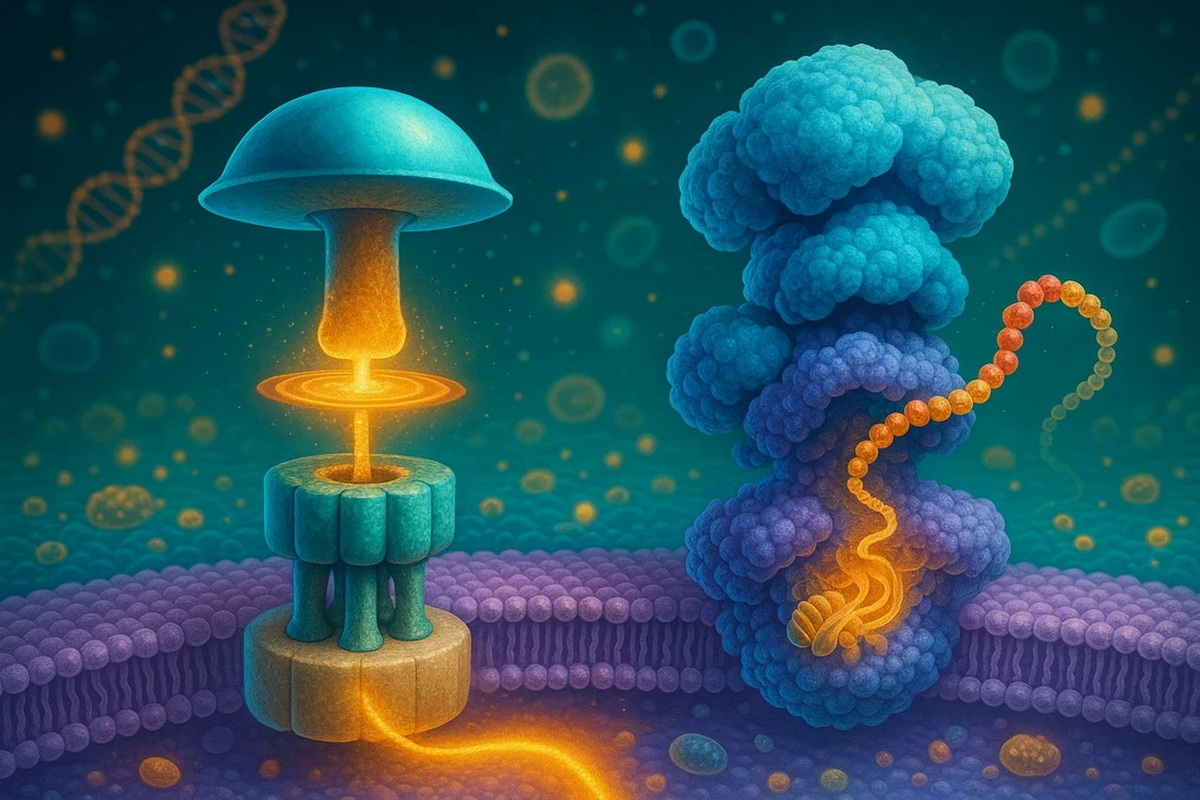
Molecular Machines
Image: AI-generated

The DNA replication system copies three billion "letters" of genetic code so accurately that an error occurs only once per billion operations. That's like hand-copying a thousand thick books and making just one typo. All of this happens in spaces measured in nanometers, at body temperature, in an aqueous environment.

A Universe of Fine-Tuned Coincidences

The conditions for life on Earth are so precisely calibrated that the slightest deviation would spell catastrophe. Change the distance from the Sun by just 5%, and water would either boil away or freeze. The Moon is exactly the right size and distance to perfectly stabilize Earth's rotation, creating a stable climate.
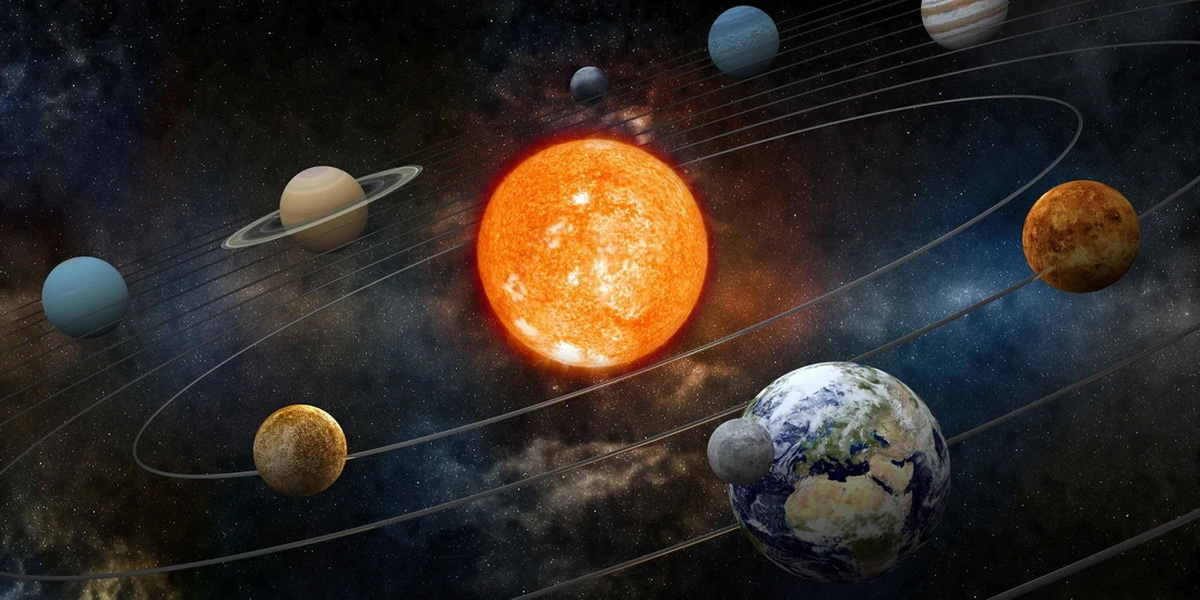
space
Illustrative image

Jupiter sits precisely where its gravity works as a "cosmic vacuum cleaner," attracting asteroids and comets that could otherwise destroy life on Earth. Our planet's magnetic field has just the right strength to protect against radiation without interfering with biological processes.

Nature's Impossible Innovations

Some of nature's solutions are so counterintuitive that it's difficult to imagine them arising by chance. Giraffes, for example, have a unique valve system in their necks that prevents them from losing consciousness when they suddenly lower their heads five meters to drink. Without this system, the animal would die from brain hemorrhage the first time it tried to take a sip. But how could evolution "know" about this problem in advance?
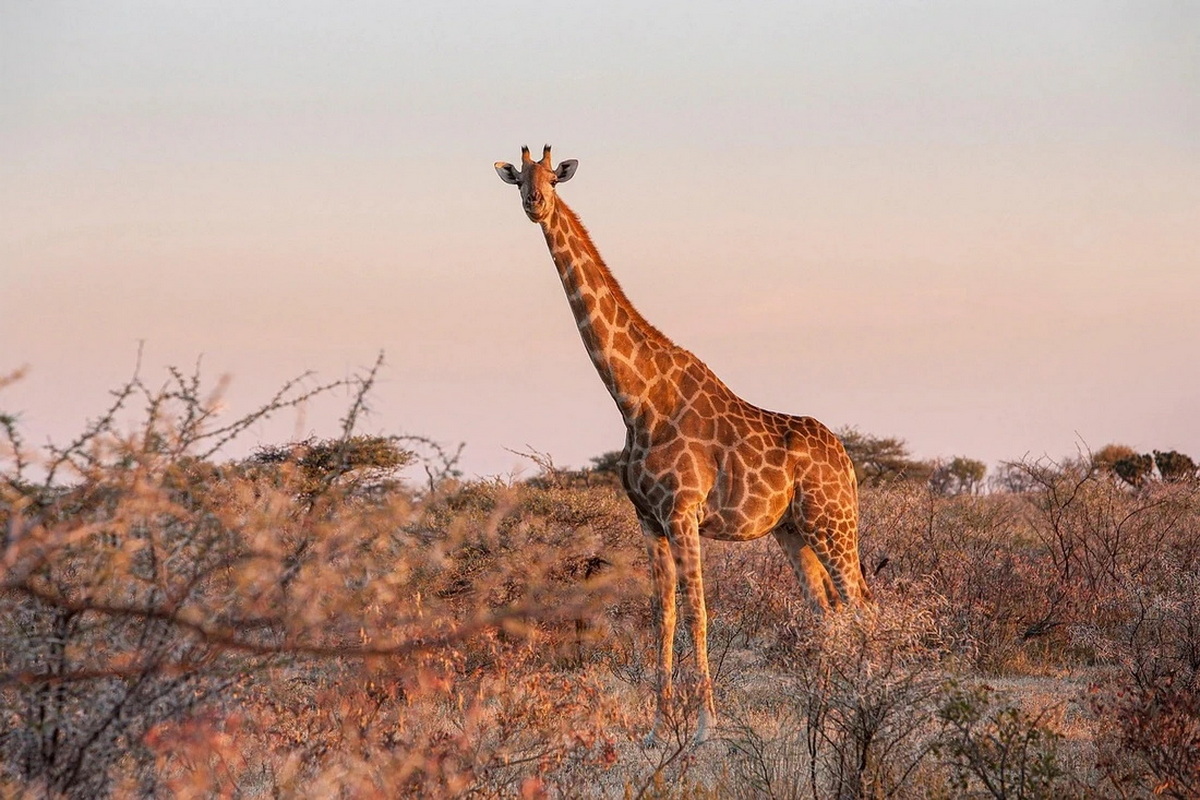
Giraffe
Image: pixabay.com

Electric eels generate discharges of up to 600 volts without electrocuting themselves. Their bodies are living power plants with insulation, capacitors, and directed discharge systems. Try to imagine the step-by-step random development of such a system—at intermediate stages, the animal would simply kill itself with its own electricity.
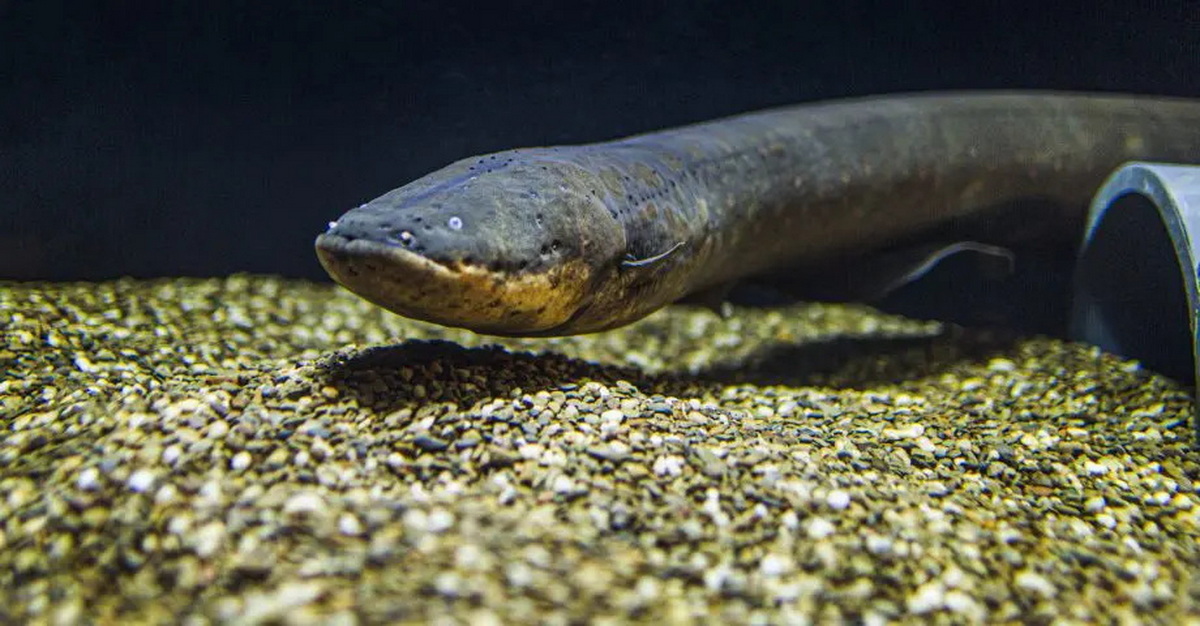
electric eel
Illustrative image

It's remarkable how everything in nature is interconnected, as if someone carefully calibrated each element of the system. Bees cannot exist without flowers, but most plants would perish without pollinators. Trees exchange nutrients through fungal networks, warning each other of danger—an entire forest functions as a single organism. Predators regulate herbivore populations, herbivores control vegetation, plants form soil, soil filters water. Remove one element, and the entire chain collapses. Even death is built into the system: decomposition feeds new life. Every creature, from bacteria to whales, occupies its place in this incredibly precise arrangement where everything works in perfect balance. The whole system appears absolutely logical and deliberate, as if a higher intelligence methodically constructed every connection, foreseeing all consequences—too perfect for chance.
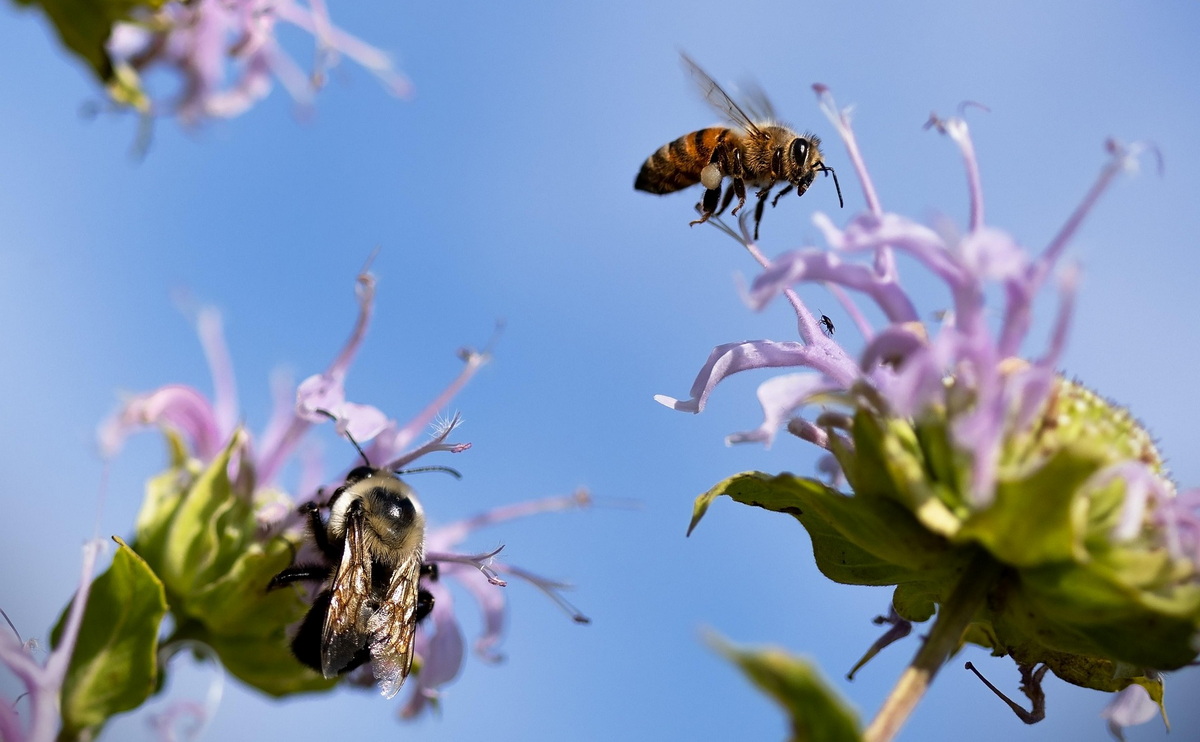
bees
Image: pixabay.com

Where Are the New Species?

An important observation often overlooked: in all of recorded human history, we have never documented the emergence of a fundamentally new species of animal or plant "from scratch." We see adaptations, variations within species, changes in coloration or size—but not the emergence of new organs, systems, or types of organisms. Even in laboratories, where scientists conduct experiments with thousands of generations of bacteria in accelerated conditions, the results are merely modifications of existing traits, not the appearance of something fundamentally new. Nature seems to work with a ready-made "construction kit," combining and adjusting existing elements but not creating new ones from scratch.

Image: pixabay.com

The Brain: Pinnacle of Unknown Technologies

The human brain contains 86 billion neurons with quadrillions of connections between them. It consumes just 20 watts of energy—less than an ordinary light bulb. Yet the brain is capable of things no supercomputer can do: self-awareness, creativity, feeling, dreaming.
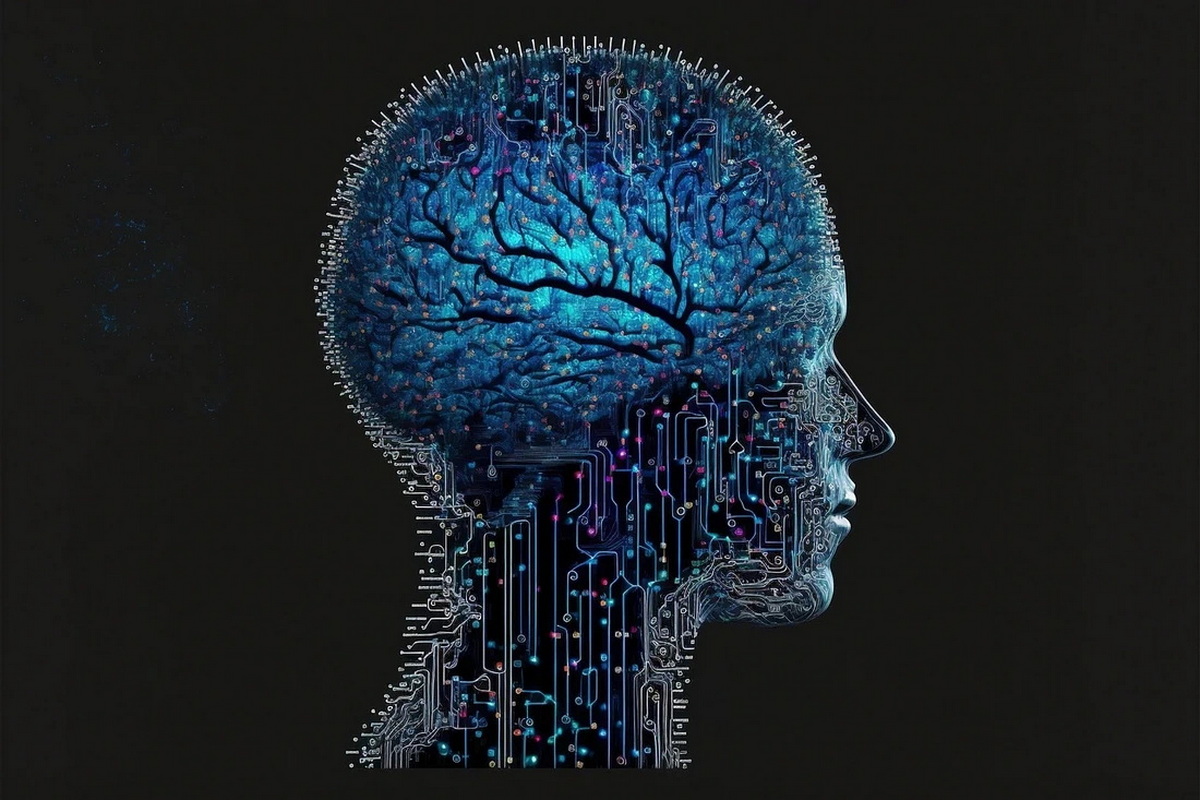
person
Image: pixabay.com

Every memory, every thought is not simply an electrical signal but a complex pattern of activity across millions of neurons. The brain constantly rewires its connections, learns, adapts—with no programmer, no updates, no reboot required.

A World Made for Us?

Remarkably, all this incredible complexity of nature seems designed specifically for human perception. We are the only ones who can appreciate the beauty of a sunset, the symmetry of a flower, the majesty of mountains. Fruits ripen in bright colors that attract our eyes; their sweetness perfectly matches our taste receptors. Birdsong falls precisely within the frequency range pleasant to the human ear. The fragrance of flowers, the sound of the sea, the softness of grass—all bring us pleasure, though none of this is strictly necessary for survival. Even mathematical proportions in nature—the golden ratio, fractals, spirals—resonate with our sense of beauty. It's as if the entire planet were a gift created so that humans could not merely exist, but enjoy every manifestation of life, learn, marvel, and create. We are not just part of the ecosystem—we are the only ones capable of recognizing and appreciating the full grandeur of creation.

happiness
Image: pixabay.com

Hidden Architects?

If we accept the hypothesis that life on Earth is the product of an advanced civilization, many things fall into place: the incredible complexity and interconnectedness of all systems; the absence of intermediate forms for many species in the fossil record; and the fact that the first organisms appeared as soon as Earth became habitable, as if someone had been waiting for precisely that moment to "populate" the planet.

Creators of the Universe
Image: AI-generated

The increasing number of UFO sightings demonstrating technologies that defy known laws of physics could be visits from those who continue to monitor their "project." Perhaps they maintain the system's balance, intervening only when critically necessary.

Connecting the Dots

We can synthesize complex molecules, clone animals, edit genes. But we cannot create a living cell from scratch. We cannot explain how life arose from non-living matter. We don't understand how consciousness emerges from biochemistry.

Perhaps the answer is simple: we are trying to understand technologies that are orders of magnitude beyond our level of development. Like a Stone Age human disassembling a smartphone, we see individual components but don't understand the principles by which everything works.

Why Don't They Make Contact?

We're accustomed to discussing life as the result of random processes and evolution. The very possibility of other intelligent civilizations is often not taken seriously—let alone the idea that they might have played a key role in the origin of life on Earth.

Interestingly, all world religions—despite differences in rituals and traditions—agree on one thing: they affirm the existence of a Higher Power behind the creation of the world. Perhaps this is where science and faith unexpectedly intersect, pointing to the idea that life is "too complex for chance."
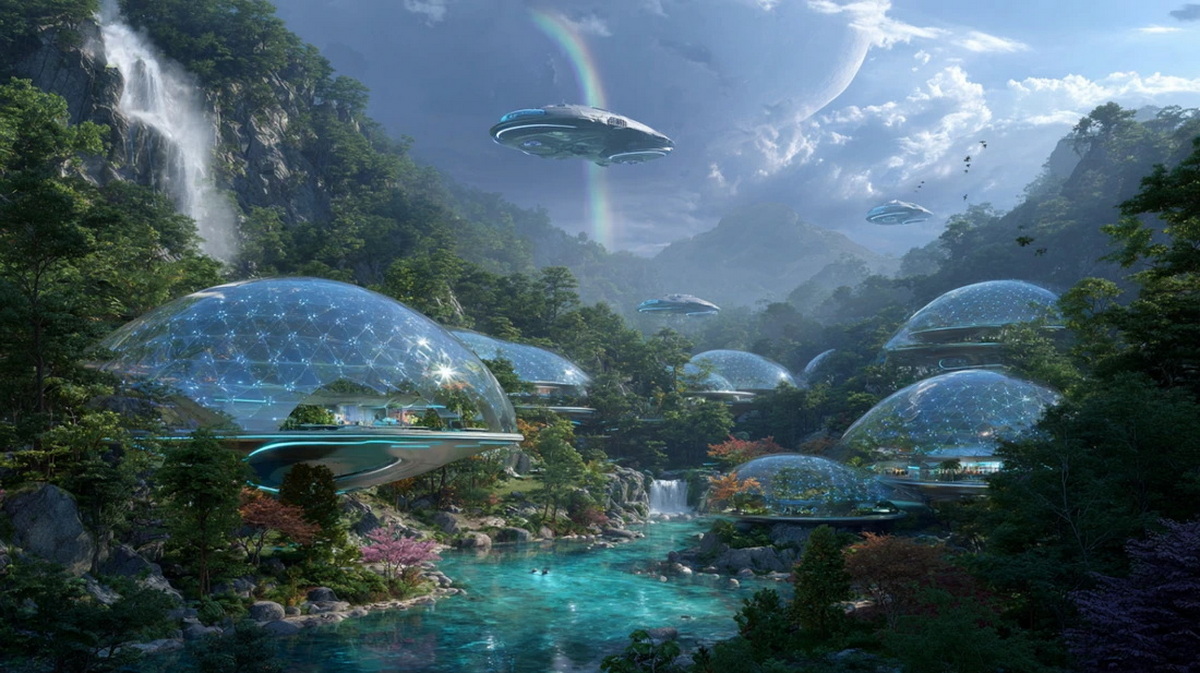
high-tech world
Image: AI-generated

The nature around us may not be evolution's blind watchmaker, but a masterpiece of bioengineering created by those for whom atomic-level manipulation of matter is routine. And while we debate the origins of life, its true creators may be watching us from the shadows, following protocols and purposes we cannot fathom.

This article presents an alternative perspective on the origins of life. Mainstream science explains the development of living organisms through evolution, though questions a


Share this article

Rate this article

World News

Faint radio galaxies may fade faster after their jets switch off

News Desk August 20, 2026 01:06 PM 2 min read

Radio observations of 14 distant galaxy candidates suggest that some radio galaxies enter a relatively short and varied fading phase after their central jets stop supplying energy to large lobes of plasma.

starry sky
Credit: pexels.com

Radio galaxies are powered by active galactic nuclei, bright central regions associated with matter falling toward supermassive black holes. Some produce jets that feed enormous radio-emitting lobes. When the jets stop, the lobes remain visible for a time as their particles lose energy. Astronomers call these systems remnant radio galaxies.

Researchers led by Sushant Dutta of the University of Cape Town and the Inter-University Institute for Data Intensive Astronomy studied 14 candidate remnants in the XMM-Newton Large-Scale Structure field.

They combined observations from the MeerKAT MIGHTEE and uGMRT superMIGHTEE surveys with data from LOFAR, GMRT and the Karl G. Jansky Very Large Array. Together, the observations covered radio frequencies from 144 MHz to 1.5 GHz.

Models of the sources' radio spectra classified 12 as remnants and reclassified two as active. The result shows why observations at several frequencies are important: candidates selected from limited data can be misidentified.

The models estimated total spectral ages of about 8 million to 42 million years, with a median of roughly 12 million years. These estimates are shorter than those for many remnants examined in earlier studies. The fraction of each source's estimated lifetime spent in the remnant stage ranged from 4% to 83%, suggesting that the sample includes galaxies at very different stages after their jets switched off.

Most of the sources are at relatively high redshifts. The researchers found an association between higher redshift and younger estimated spectral age after accounting for radio luminosity. They said stronger energy losses involving the cosmic microwave background, along with rapid expansion in low-density environments, could help explain the pattern. The observational study does not establish either explanation as the sole cause.

The sample is small, and the ages depend on models of how particles and magnetic fields evolve in the radio lobes. Even so, the findings point to a faint population that previous surveys may have missed. Future surveys with the Square Kilometre Array should find many more such sources and test how common short-lived remnants are.

The study was published in Monthly Notices of the Royal Astronomical Society.

Source: phys.org

Share this article

Rate this article

Science & Tech

Spider-Man's fictional power inhibitor draws on real RNA medicine

News Desk August 20, 2026 12:29 PM 2 min read

The power-suppressing device in Spider-Man: Brand New Day borrows its scientific language from RNA interference, a real medical technique. But current treatments could not quickly and precisely turn a complex set of superhuman traits on and off.

Spider-Man
Credit: open sources

In the film, Peter Parker asks whether the device uses target-specific short interfering RNA, usually shortened to siRNA. These small RNA molecules can be designed to recognize a particular messenger RNA, or mRNA.

Messenger RNA carries instructions copied from DNA to the cell's protein-making machinery. An siRNA guide can direct a cellular complex known as RISC to matching mRNA. The complex then cuts the target, reducing production of the corresponding protein.

This process is often called gene silencing, but the name can be misleading. The treatment does not remove or switch off the underlying DNA. It lowers the output of a selected gene, and the effect can wear off.

RNA interference is established medicine, not science fiction. Several siRNA drugs have been approved by the US Food and Drug Administration for conditions including hereditary amyloidosis, acute hepatic porphyria, primary hyperoxaluria, high cholesterol, hemophilia and familial chylomicronemia syndrome.

The fictional application presents much bigger problems. Spider-Man's abilities would presumably involve many proteins, tissues and biological pathways. A single siRNA target would be unlikely to suppress strength, reflexes, senses and other traits together. Targeting several genes would also increase the challenge of predicting side effects.

Delivery is another major obstacle. Most approved siRNA medicines are designed to reach the liver, although one approved product uses lipid nanoparticles and researchers are testing ways to reach other organs. A whole-body treatment affecting muscles, nerves and other tissues would be far more difficult.

Real siRNA drugs also do not behave like an instant switch. They generally reduce rather than eliminate production of a protein. Their effects vary by drug and can last for weeks or months. Even after the silencing effect declines, cells may need time to rebuild the affected proteins.

The film therefore uses a genuine biological mechanism as a plausible idea, not a technology that medicine can currently reproduce. RNA interference can selectively reduce protein production, but it cannot safely fine-tune fictional superpowers on demand.

Source: sciencenews.org

Share this article

Rate this article

Belarus

EAEU officials discuss simpler customs declarations for online trade

News Desk August 20, 2026 12:20 PM 2 min read

Officials, postal operators and express carriers from the Eurasian Economic Union have discussed proposed changes to customs declarations for express shipments and cross-border online sales.

EAEU
Credit: tengrinews.kz

The talks took place in a working group under the Eurasian Economic Commission's Advisory Committee on Customs Regulation. Kuat Rakhimov, director of the commission's Department for Customs Legislation and Law Enforcement Practice, chaired the meeting.

One proposal from Kazakhstan would add coded information about relevant prohibitions and restrictions to declarations for express cargo and e-commerce goods. Standardized codes could allow customs systems to check some information automatically. The change may eventually shorten processing times, but the commission did not announce that it had been adopted or give a date for implementation.

Participants also considered a simplified declaration for goods sold by businesses in EAEU countries to individual buyers abroad through marketplaces and other online platforms. The proposal is intended to make customs procedures easier for exporters engaged in e-commerce.

The commission said it would prepare amendments to the rules for completing the e-commerce declaration. This means the measures remain under development.

The EEC has worked on special customs forms for express cargo and online trade for several years. Its Board approved an express-cargo declaration form and completion rules in 2018. It approved the structure and format of a separate declaration for e-commerce goods in December 2024.

Source: pravo.by

Share this article

Rate this article

World News

Readers urge broader debate on UK food resilience

News Desk August 20, 2026 12:16 PM 2 min read

Three readers responding to a Guardian column have argued that Britain should strengthen local food networks, debate emergency planning more openly and treat stockpiles as only one part of food security. Their letters express policy views rather than new government decisions.

food
Credit: pexels.com

Dan Farag, director of innovation and practice at the Young Foundation, argues that community organisations and trusted local networks can play an important role during floods, infrastructure failures and other emergencies.

He proposes making more underused public land available for community food growing. He points to groups such as Incredible Edible as examples of residents working together to grow and share food. Such projects may strengthen local skills and connections, although they could not replace the national food supply on their own.

David E Alexander, emeritus professor of emergency planning and management at University College London, calls for elected politicians to lead a public discussion about long-term food planning and emergency reserves.

He cites Roadmap for Resilience: A UK Food Plan for 2050, an 86-page report produced through a research programme funded by UK Research and Innovation. The roadmap proposes changes to farming, diets, business planning, data and food-system governance. It is a research-led set of recommendations, not an adopted government plan.

Antony So, a co-author of the National Preparedness Commission's 2025 report Just in Case: 7 Steps to Narrow the UK Civil Food Resilience Gap, argues that emergency stocks must form part of a wider resilience system.

He points to Switzerland, where the federal government and private companies jointly maintain compulsory stocks. The system covers essential foods and agricultural inputs including fertiliser and animal feed. The Swiss government sets the required goods and quantities, while private businesses own and manage the stocks.

So argues that reserves alone would be insufficient during a prolonged crisis if electricity, fuel, water, transport or communications failed. Food security depends on all these systems continuing to function.

Together, the letters make the case for a broader public debate. Their proposals range from neighbourhood food growing to national contingency planning, but they share the view that resilience involves people, infrastructure and institutions as well as stored food.

Source: theguardian.com

Share this article

Rate this article

World News

Heavy showers may bring local flooding but will not end England's drought

News Desk August 20, 2026 12:07 PM 2 min read

Heavy showers could cause local surface-water flooding in parts of the UK, but forecasters and water experts say short bursts of rain will not reverse drought conditions across much of England.

rain
Credit: pexels.com

The Met Office forecast a shift to cooler, more unsettled weather after a heatwave. Some places could receive intense showers, while others may get little rain. Water running quickly from hard, very dry ground can add to local flood risk when rainfall is particularly heavy.

That does not mean the drought is ending. At the start of August, Environment Agency figures showed that seven areas of England were in drought. Reservoir storage across England had fallen to 69%, which was 11.6 percentage points below the long-term average for that time of year. Five monitored reservoirs were classed as exceptionally low.

The dry conditions were also affecting rivers, wildlife and farming. The agency reported low flows, algal blooms, fish deaths and restrictions on water abstraction. More than 25 million people were covered by temporary limits on water use in early August.

Water supply problems continued in south-east England. South East Water said thousands of customers in parts of Kent lost supplies before most connections were restored. The company asked customers to limit use while storage tanks recovered.

Wessex Water also announced a temporary-use ban covering about 1.4 million customers in parts of south-west England. It was the company's first such restriction since 1976. Thames Water, which had already imposed restrictions, asked customers to keep reducing demand.

Brief downpours can reduce immediate pressure on vegetation and lower wildfire risk, but drought recovery normally requires sustained rainfall. Rivers, reservoirs and groundwater respond over different timescales, so several wet days in one area cannot restore depleted water resources across England.

Flooding and drought can therefore occur at the same time in different places, or even in the same region. A short, intense storm can overwhelm drains and produce rapid runoff while longer-term river flows, groundwater and reservoirs remain unusually low.

Source: theguardian.com

Share this article

Rate this article