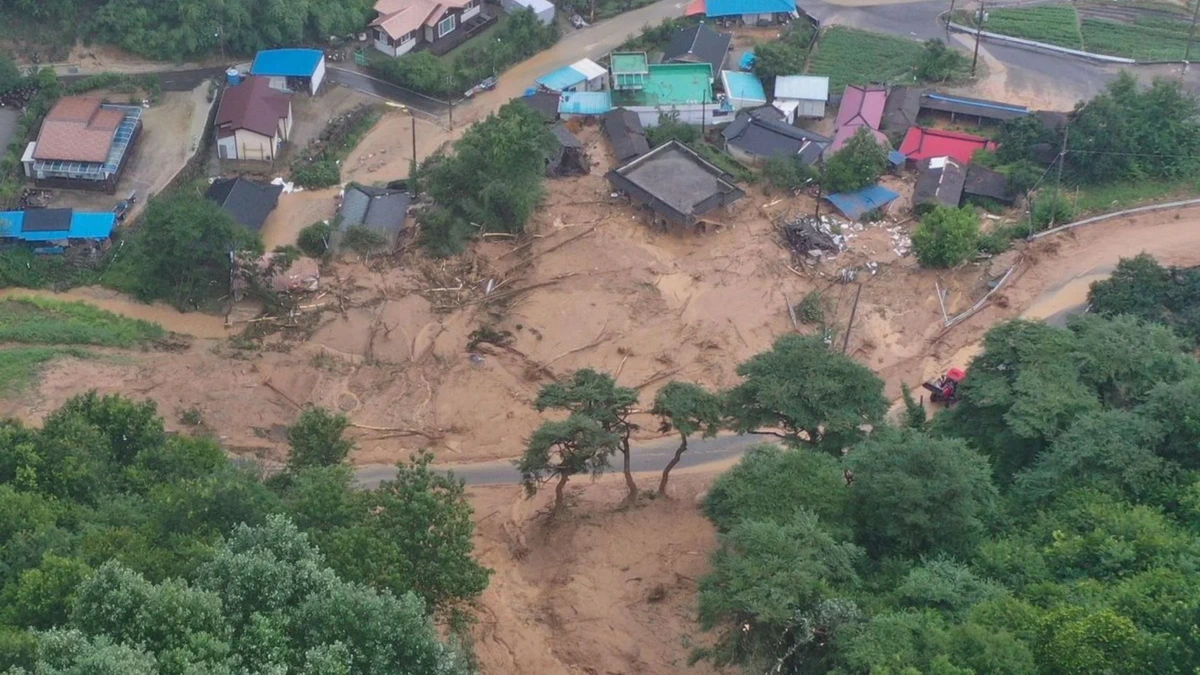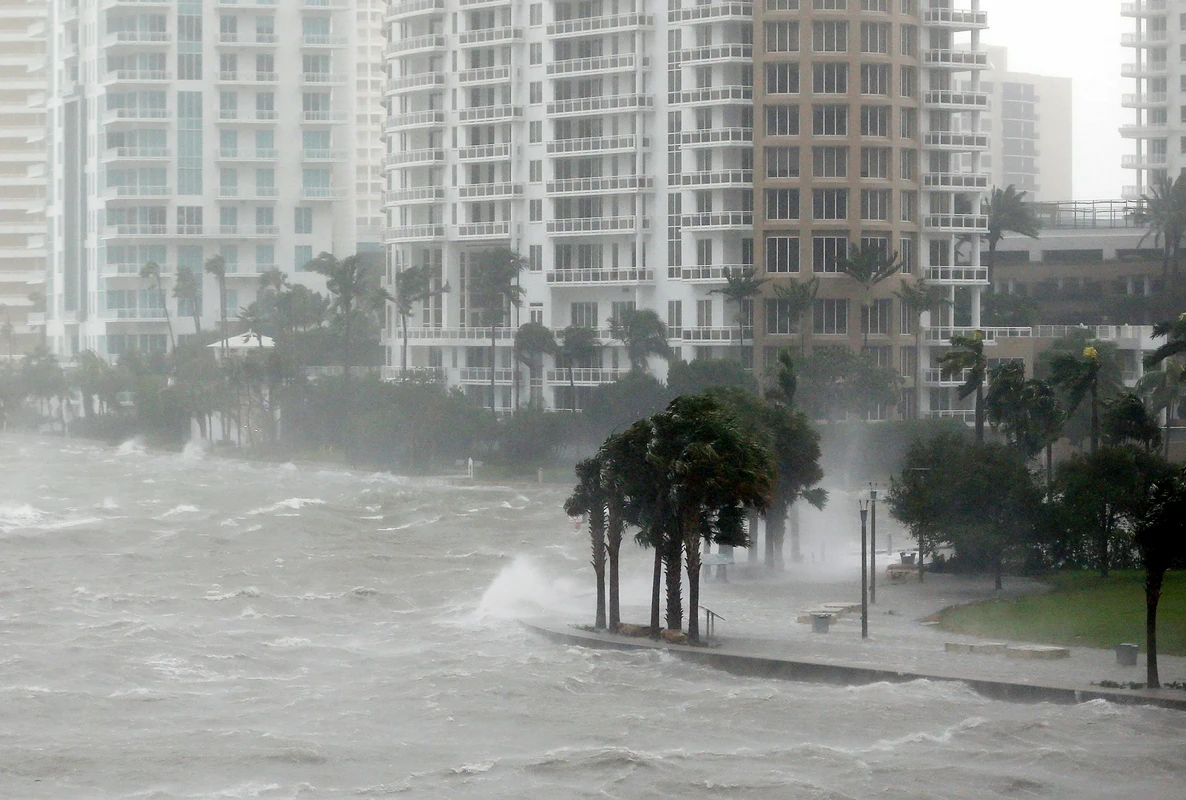
Dan Farag, director of innovation and practice at the Young Foundation, argues that community organisations and trusted local networks can play an important role during floods, infrastructure failures and other emergencies.
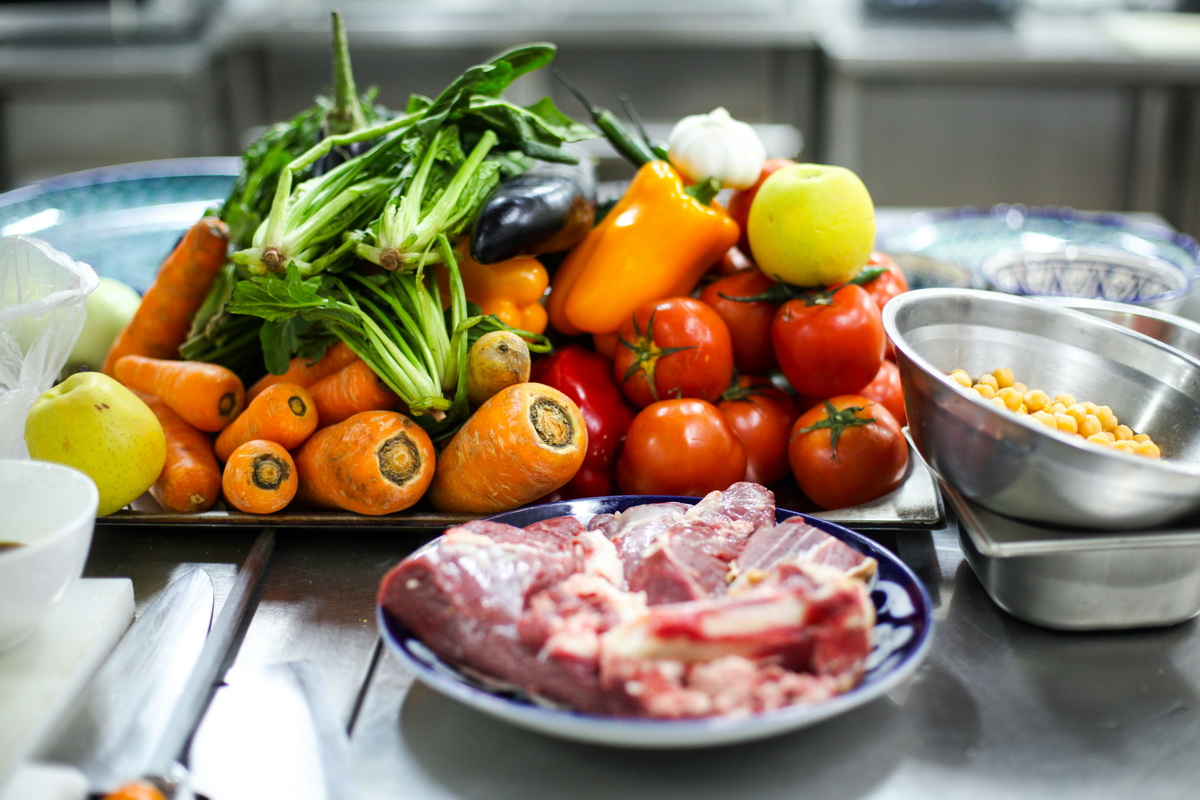
He proposes making more underused public land available for community food growing. He points to groups such as Incredible Edible as examples of residents working together to grow and share food. Such projects may strengthen local skills and connections, although they could not replace the national food supply on their own.
David E Alexander, emeritus professor of emergency planning and management at University College London, calls for elected politicians to lead a public discussion about long-term food planning and emergency reserves.
He cites Roadmap for Resilience: A UK Food Plan for 2050, an 86-page report produced through a research programme funded by UK Research and Innovation. The roadmap proposes changes to farming, diets, business planning, data and food-system governance. It is a research-led set of recommendations, not an adopted government plan.
Antony So, a co-author of the National Preparedness Commission's 2025 report Just in Case: 7 Steps to Narrow the UK Civil Food Resilience Gap, argues that emergency stocks must form part of a wider resilience system.
He points to Switzerland, where the federal government and private companies jointly maintain compulsory stocks. The system covers essential foods and agricultural inputs including fertiliser and animal feed. The Swiss government sets the required goods and quantities, while private businesses own and manage the stocks.
So argues that reserves alone would be insufficient during a prolonged crisis if electricity, fuel, water, transport or communications failed. Food security depends on all these systems continuing to function.
Together, the letters make the case for a broader public debate. Their proposals range from neighbourhood food growing to national contingency planning, but they share the view that resilience involves people, infrastructure and institutions as well as stored food.
Source: theguardian.com