The Victorian government announced the program on August 12 after vaccine doses arrived at Phillip Island. The rollout was due to begin once final regulatory approvals were in place.
Each selected penguin must be caught and identified, vaccinated, then caught again for a second dose. Little penguins return regularly to the same colonies and often to the same burrows, making this unusually large wild-bird vaccination effort possible.
Phillip Island Nature Parks said the project was believed to be the world's largest vaccination program involving wild birds. That description is the organiser's assessment, rather than a formally verified world record.
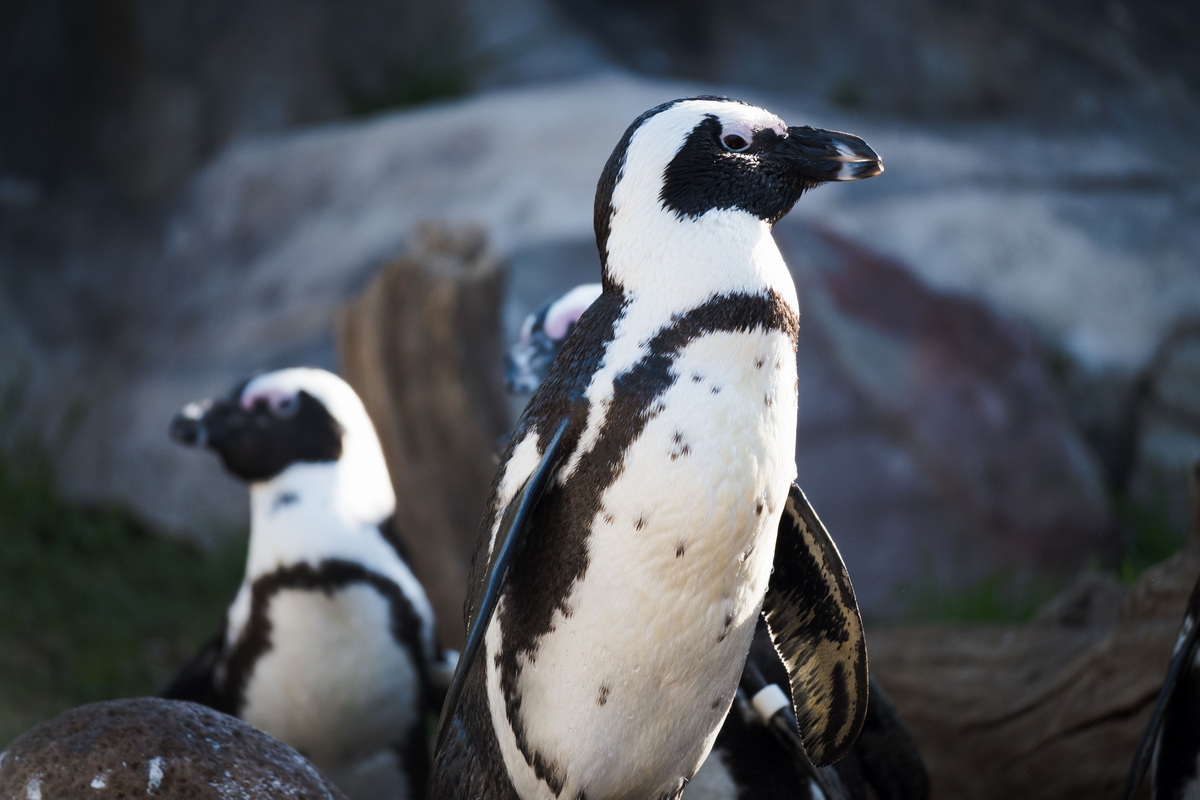
The Phillip Island colony contains about 40,000 little penguins. Their dense colonies could allow infection to spread quickly. The species is the world's smallest penguin, typically standing about 30 centimetres tall and weighing around 1.5 kilograms.
When the vaccination program was announced, the Victorian government said H5 bird flu had been detected in wild birds at several locations, including Phillip Island, but not yet in a little penguin. Subsequent reporting said a little penguin from Phillip Island had died with the virus before vaccinations began.
Vaccination cannot stop H5 bird flu from circulating among wild birds, and it will not protect every penguin. Authorities say it may reduce severe disease and deaths when used alongside surveillance, biosecurity and wildlife-response measures.
The vaccine contains inactivated virus and cannot cause bird flu. It stimulates an immune response, but protection is not guaranteed. The two-dose schedule is intended to strengthen that response. Individual birds must be monitored for adverse effects after vaccination.
Australia has also prepared vaccination programs for other priority native birds, particularly threatened species in zoos or closely managed populations. National authorities say H5 bird flu cannot feasibly be eradicated from wildlife following detections and evidence of local transmission, so the response focuses on monitoring and reducing harm.
The Australian government says the current risk to people remains low and that no H5 detections have been found in poultry or agricultural production. Members of the public should not touch sick or dead birds. Suspected cases can be reported to the Emergency Animal Disease Hotline on 1800 675 888.
Source: theconversation.com